



About Slope
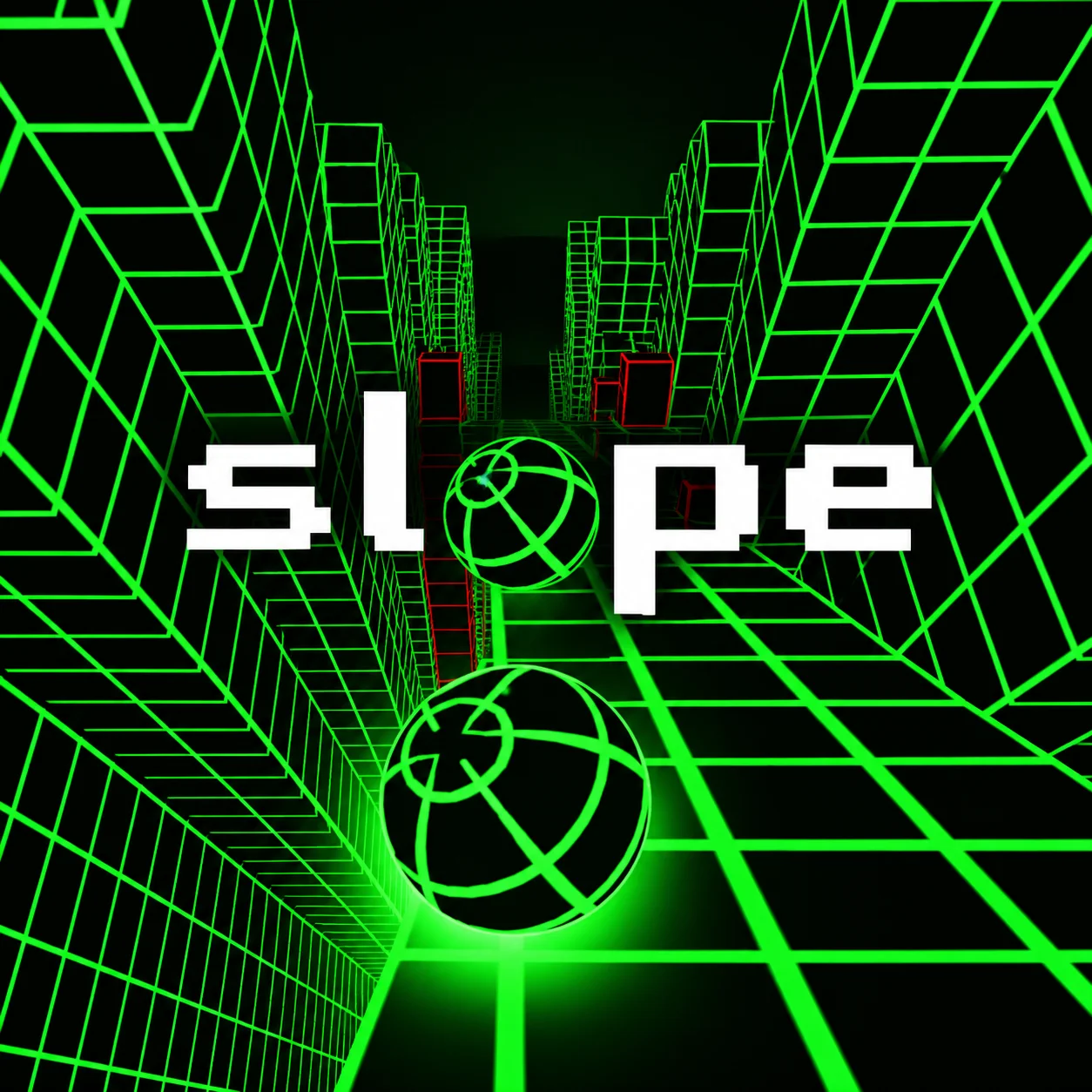
Slope looks simple because the input is straightforward, but the useful challenge appears one step later. The quickest way to understand Slope is to look at the action that keeps repeating: control the ball down the slope, avoid the red blocks, and stay away from the edge. The speed increases over time. The objective is to travel as far as possible before falling or colliding.
That action is always tied to one outcome — travel as far as possible before falling or colliding. The interesting part is the specific limitation built into the game. The goal is a repeatable rhythm, not the largest number of inputs in the shortest time.
Game Facts
What Makes Slope Stand Out
The useful detail: Timing is the actual control in Slope. Control the ball down the slope, avoid the red blocks, and stay away from the edge. The speed increases over time. The beat tells you when to commit, while the visual path tells you where the action happens. The useful distinction in Slope is between an action that works now and one that keeps the next option open. Using short, light presses instead of holding the key to change the next decision is the latter.
How to Play Slope
- Start with left/Right Arrow or A/D to steer.
- Control the ball down the slope, avoid the red blocks, and stay away from the edge. The speed increases over time.
- The immediate objective is to travel as far as possible before falling or colliding.
Controls
Tips & Strategy
Core Gameplay Mechanics
Using short, light presses instead of holding the key
The useful detail: Timing is the actual control in Slope. Control the ball down the slope, avoid the red blocks, and stay away from the edge. The speed increases over time. The beat tells you when to commit, while the visual path tells you where the action happens. The useful distinction in Slope is between an action that works now and one that keeps the next option open. Using short, light presses instead of holding the key to change the next decision is the latter.
The correction
The Small Habit That Changes the Next Attempt. Use short, light presses instead of holding the key. The next action is often visible before it becomes urgent. Watch far before entering section turn. Reading that space early gives you more than one possible response. The useful distinction in Slope is between an action that works now and one that keeps the next option open. The Small Habit That Changes the Next Attempt is the latter.
The higher-level version
Keeping the ball near the center. Use downhill momentum to glide across short gaps. Practical takeaway: Make the correction one beat before the obstacle. from reacting to the current problem to preparing the next one. When the same situation appears again, keeping the ball near the center gives you a reference point. That makes the next attempt easier to diagnose instead of simply repeating it.
Frequently Asked Questions
What is the main objective in Slope?
The main objective is to travel as far as possible before falling or colliding.
Which movement input should you learn first in Slope?
The basic input setup in Slope is Left/Right Arrow or A/D to steer.
Where should you look when the next obstacle is coming in Slope?
Start with the idea in “Using short, light presses instead of holding the key to change the next decision.” It gives the first few attempts a clear decision to repeat.
Why does Using short, light presses instead of holding the key to change the next decision matter in Slope?
The useful distinction in Slope is between an action that works now and one that keeps the next option open. Using short, light presses instead of holding the key to change the next decision is the latter.
When is Keeping the ball near the center useful in Slope?
When the same situation appears again, keeping the ball near the center gives you a reference point. That makes the next attempt easier to diagnose instead of simply repeating it.
What usually causes a run to fail in Slope?
If a run breaks down in Slope, the usual problem is falling, hitting an obstacle, or committing to the next movement too late.
Who is Slope a good fit for?
Slope is rated hard and suits players who enjoy speed games for players comfortable with retries. The first useful adjustment is to use short, light presses instead of holding the key.